
Blog

Blog
Blog
Blog
Chroma Optics Blog
Learn more about optometry care in our blog!
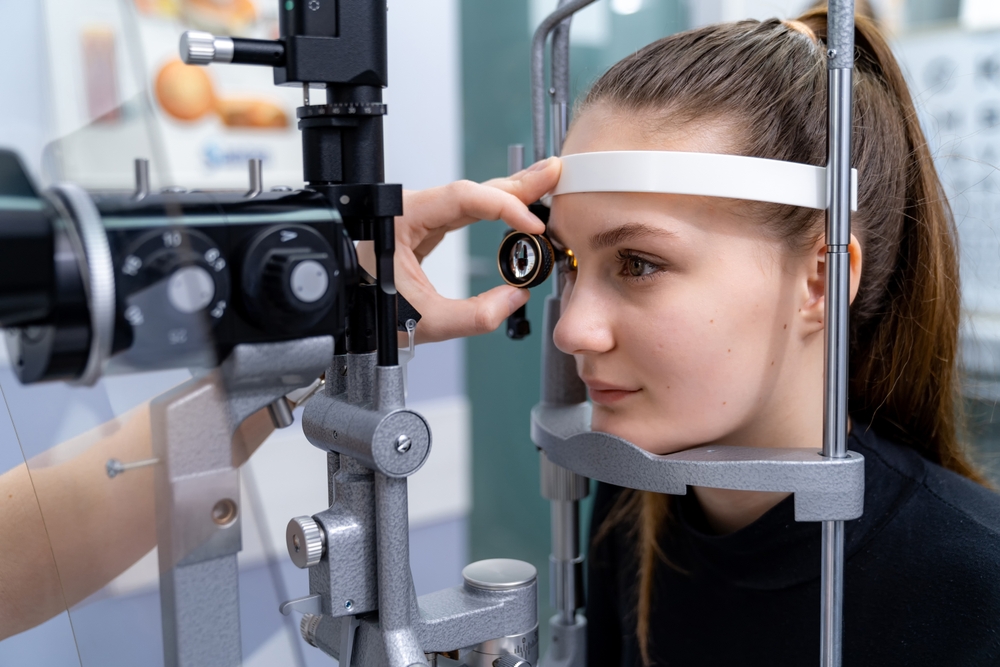
A concussion can affect more than memory, balance, and energy. It may also change how the eyes work together and how the brain processes visual information. Some patients continue to experience headaches, dizziness, light sensitivity, blurred vision, or difficulty reading even after the initial injury has begun to heal. At Chroma Optics in Burlington, we use NeuroVisual Medicine to look for visual factors that may be contributing to these ongoing symptoms.
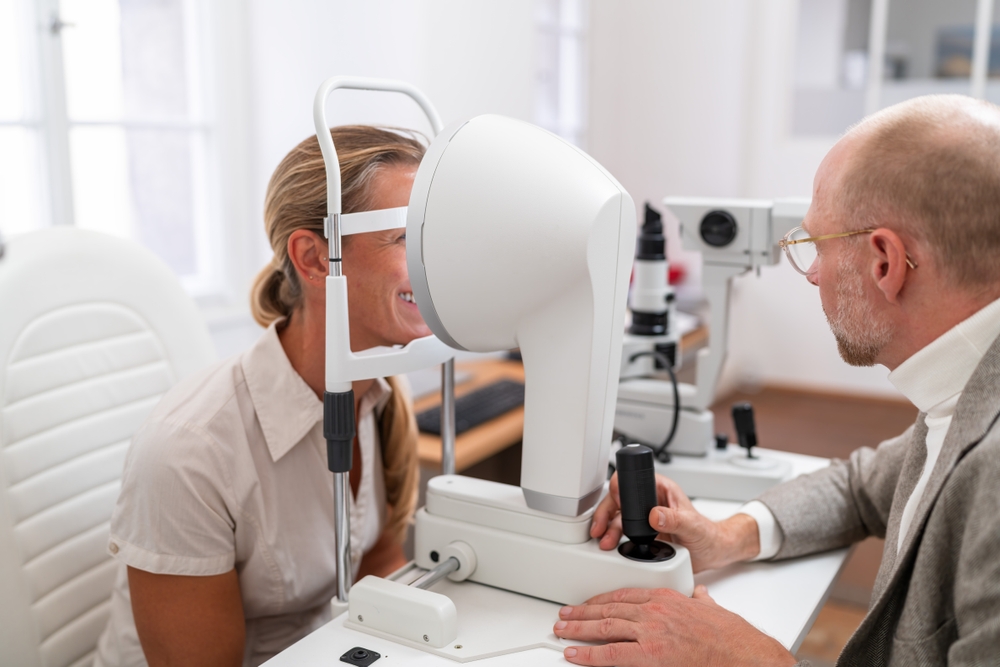
Tired eyes are common, especially after long hours on a computer, reading, or driving. But if your symptoms keep coming back, the issue may be more than simple eye strain. For some patients, headaches, dizziness, neck tension, trouble focusing, or visual fatigue can be signs of neurovisual misalignment, also known as binocular vision dysfunction.
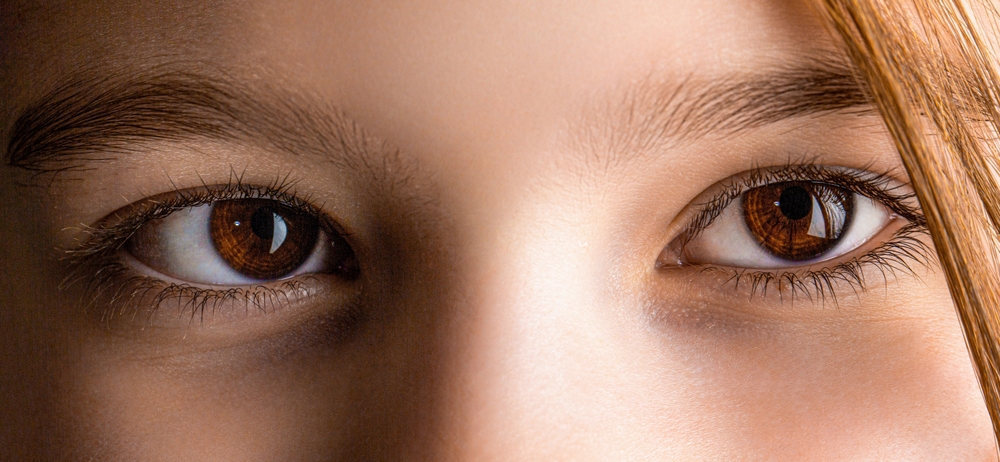
When a child struggles with reading, focus, or classroom performance, vision may not be the first thing parents consider. However, Binocular Vision Dysfunction, or BVD, can make it difficult for both eyes to work together as a team. Even when a child can see clearly on a standard eye chart, eye misalignment can affect how comfortably they process visual information.
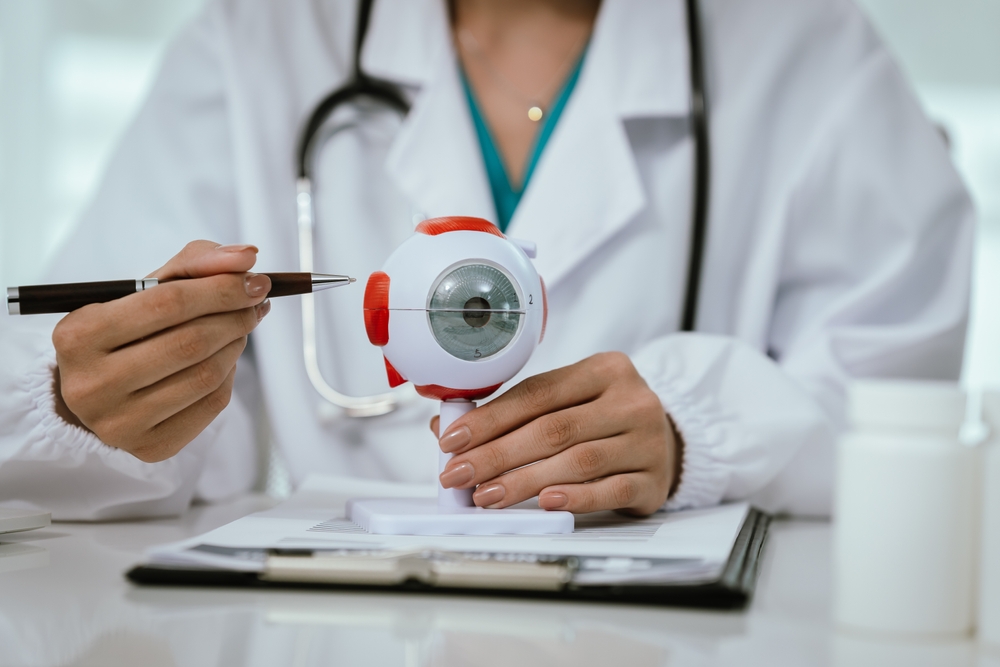
Clear vision does not always mean comfortable vision. A standard eye exam is important for checking eye health, updating prescriptions, and making sure you can see clearly. A neurovisual evaluation goes a step further by looking at how well the eyes work together and whether subtle alignment issues may be contributing to symptoms like headaches, dizziness, eye strain, motion sensitivity, or trouble focusing.

Migraines are more than just headaches. For many people, they bring intense pain, light sensitivity, nausea, and difficulty concentrating. If you struggle with frequent migraines and haven’t found lasting relief, your eyes may be playing a larger role than you realize.

Balance problems are not always caused by the inner ear. In some cases, the issue may be related to how the eyes work together. At Chroma Optics in Burlington, VT, NeuroVisual Medicine is used to evaluate binocular vision dysfunction, or BVD, which can contribute to dizziness, unsteadiness, motion sickness, and trouble walking in a straight line.
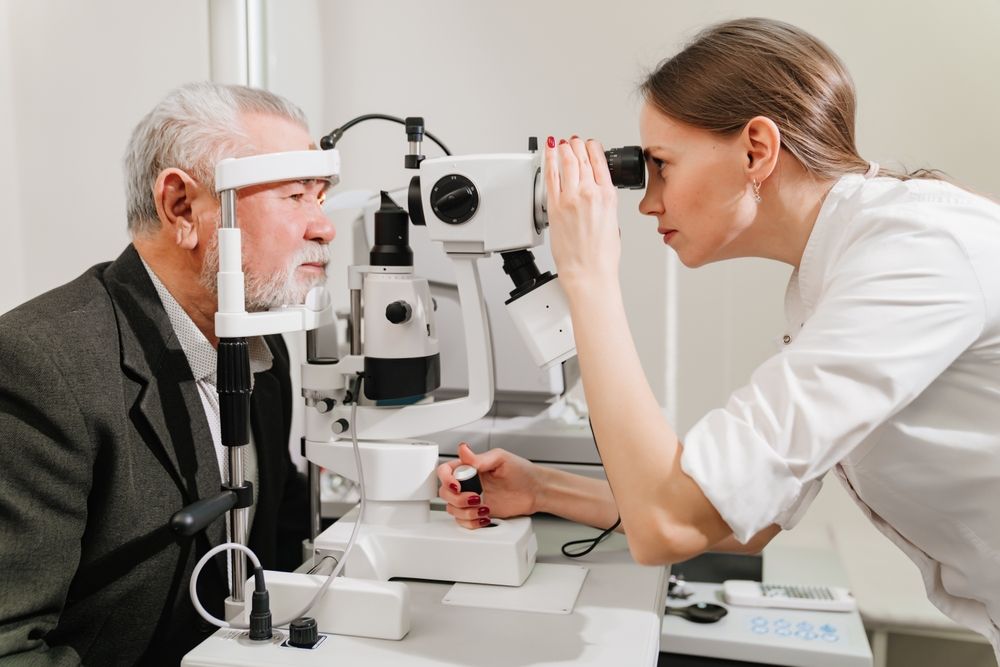
Many people assume that all eye exams are the same. A routine eye exam focuses on vision clarity and eye health, while a specialized evaluation for Binocular Vision Dysfunction (BVD) looks deeper into how the eyes and brain work together.
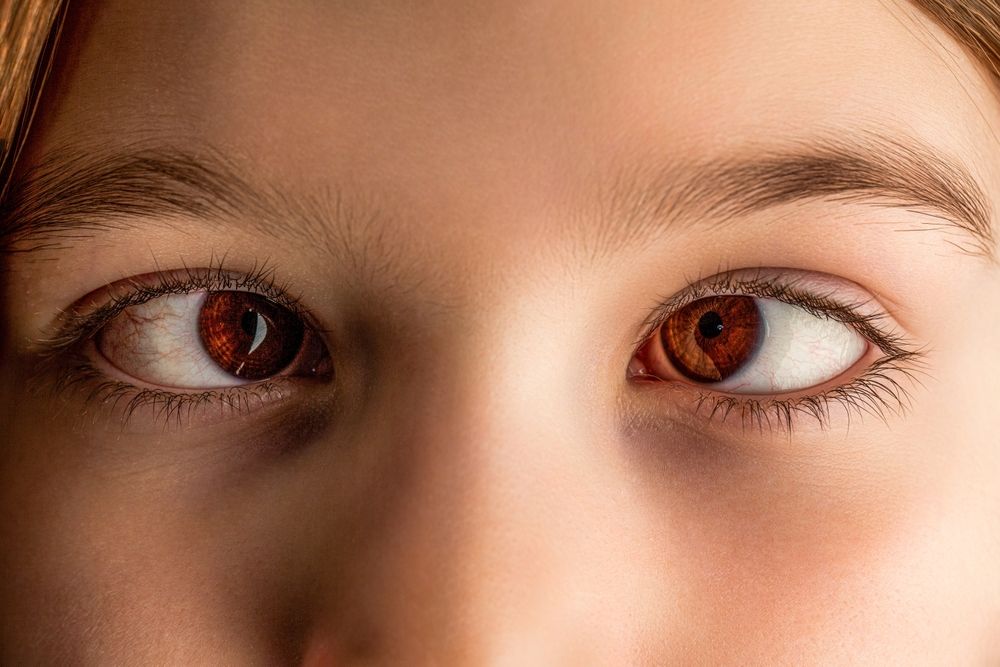
Do you ever feel eye strain, headaches, or dizziness even though your eye exam came back “normal”? Do reading, screen time, or busy environments leave you feeling overwhelmed or exhausted? These could be signs of Binocular Vision Dysfunction (BVD) - a condition that often goes undiagnosed but can significantly affect daily life.
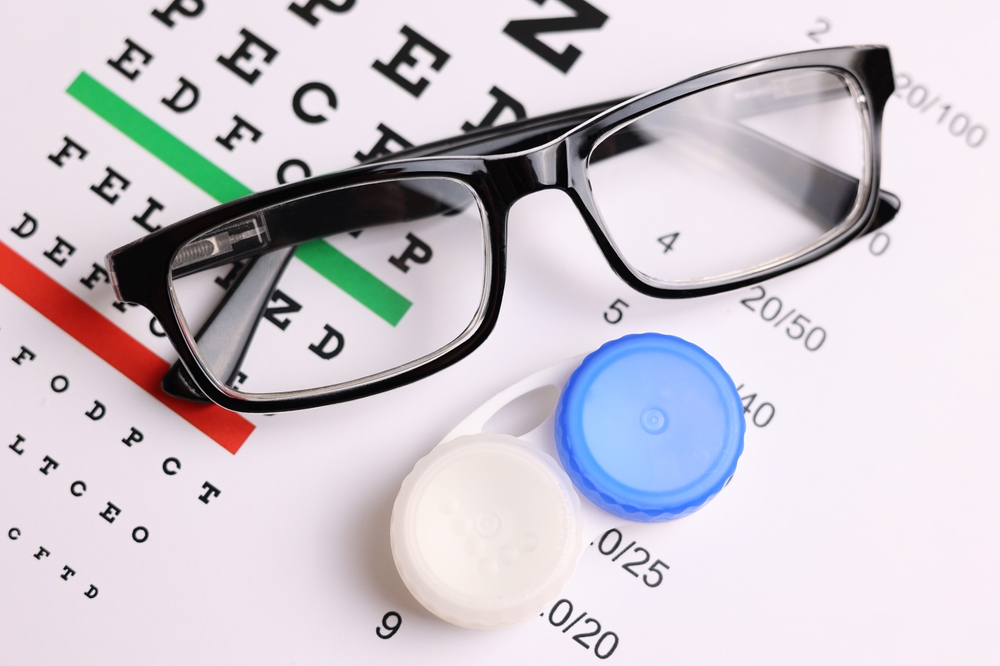
Living with vision loss can be challenging, especially when it can’t be corrected with standard glasses, contact lenses, or surgery. Low vision affects millions of people and can significantly impact daily activities like reading, driving, or recognizing faces. At Chroma Optics, our Burlington optometrist provides compassionate care and advanced solutions through low vision evaluations, helping patients maximize their remaining vision and maintain independence.

Most people assume that if they can “see clearly,” their eyes must be working perfectly. But vision is more than sharpness - it’s coordination. When the eyes struggle to work together, even slightly, the brain works overtime to compensate. This condition is known as binocular vision dysfunction (BVD), and it’s far more common than patients realize.

All Eye
Care Services

Keep
In Touch

© 2026 Chroma Optics. All Rights Reserved. Accessibility Statement - Privacy Policy - Sitemap
Powered by
