
What Are the Signs of Binocular Vision Dysfunction?

What Are the Signs of Binocular Vision Dysfunction?
What Are the Signs of Binocular Vision Dysfunction?
What Are the Signs of Binocular Vision Dysfunction?
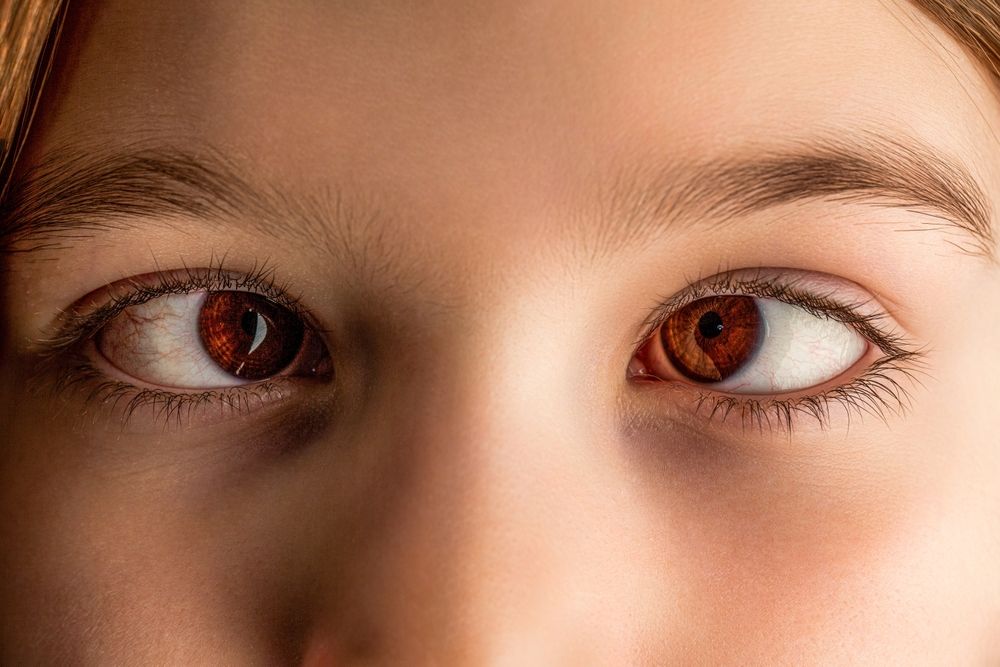
Do you ever feel eye strain, headaches, or dizziness even though your eye exam came back “normal”? Do reading, screen time, or busy environments leave you feeling overwhelmed or exhausted? These could be signs of Binocular Vision Dysfunction (BVD) - a condition that often goes undiagnosed but can significantly affect daily life.
What Is Binocular Vision Dysfunction (BVD)?
Binocular Vision Dysfunction occurs when the eyes do not work together as a perfectly aligned team. A small misalignment between the eyes can disrupt how the brain processes visual information. While the brain may compensate for this misalignment, doing so requires constant effort - leading to physical discomfort, visual stress, and neurological symptoms.
Common Signs and Symptoms of BVD
BVD symptoms can vary widely from person to person and often mimic other conditions such as migraines, anxiety, ADHD, or balance disorders. Common signs include:
Visual Symptoms
- Eye strain or fatigue
- Blurred or double vision
- Difficulty focusing, especially when reading
- Words appearing to move, jump, or overlap
- Sensitivity to light
Head and Body Symptoms
- Frequent headaches or migraines
- Neck and shoulder pain
- Dizziness or lightheadedness
- Poor balance or motion sensitivity
- Nausea, especially in visually busy environments
Cognitive and Emotional Symptoms
- Trouble concentrating
- Visual overwhelm in stores, crowds, or while driving
- Increased anxiety related to visual tasks
- Fatigue after screen use or reading
These symptoms often worsen with near work, prolonged screen time, or visually demanding activities - making work, school, and daily routines more challenging.
Why BVD Is Often Missed
Many people with BVD have 20/20 vision and are told their eyes are healthy. Because traditional eye exams don’t measure subtle eye alignment or how visual input integrates with the nervous system, the root cause of symptoms may be overlooked. This can lead to years of frustration, unnecessary treatments, or misdiagnoses before the real issue is identified.
The Importance of a NeuroVisual™ Exam
A NeuroVisual™ Exam goes beyond a standard eye exam by evaluating how the eyes, brain, and nervous system work together. This specialized assessment looks for small misalignments and visual processing issues that contribute to BVD symptoms.
If BVD is diagnosed, treatment often includes customized micro-prism lenses designed to realign visual input, reduce strain on the brain, and restore comfortable binocular vision. Many patients report significant improvements in symptoms such as headaches, dizziness, and visual fatigue after proper treatment.
Take the First Step Toward Visual Comfort
Binocular Vision Dysfunction can quietly impact nearly every aspect of daily life - often without clear answers from routine exams. Recognizing the signs of BVD and seeking specialized care can be life-changing for individuals who have struggled with unexplained visual and neurological symptoms.
If you suspect Binocular Vision Dysfunction may be affecting you or a loved one, Chroma Optics is here to help. Schedule a NeuroVisual™ Exam to get answers, clarity, and a personalized path toward visual comfort and improved quality of life. Visit our office in Burlington, Vermont, or call (802) 497-1676 to book an appointment today.

All Eye
Care Services

Keep
In Touch

© 2026 Chroma Optics. All Rights Reserved. Accessibility Statement - Privacy Policy - Sitemap
Powered by
