
How NeuroVisual Medicine Can Support Patients After a Concussion

How NeuroVisual Medicine Can Support Patients After a Concussion
How NeuroVisual Medicine Can Support Patients After a Concussion
How NeuroVisual Medicine Can Support Patients After a Concussion
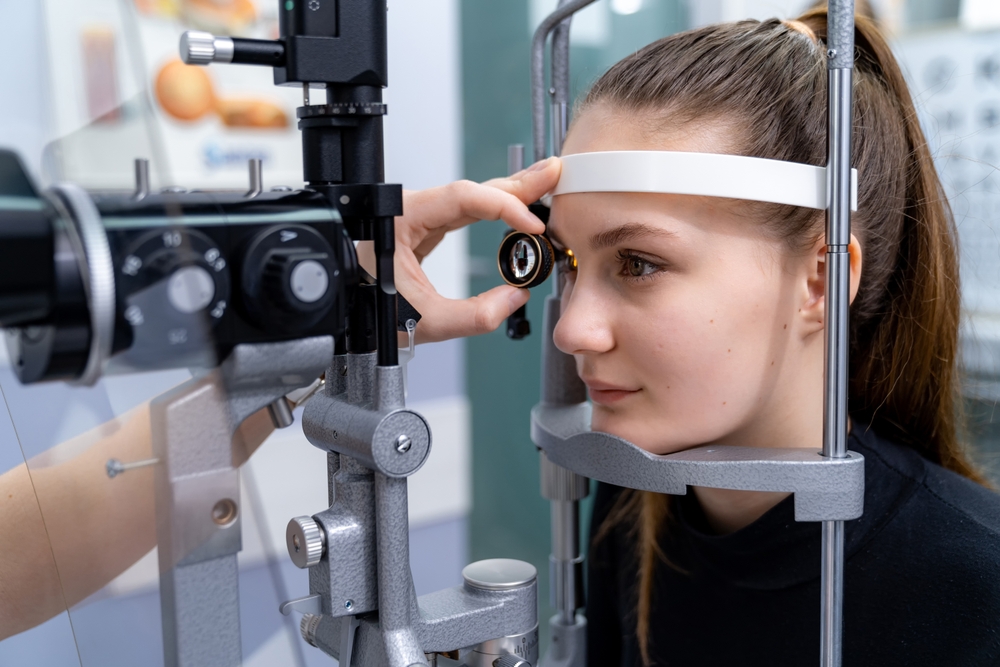
A concussion can affect more than memory, balance, and energy. It may also change how the eyes work together and how the brain processes visual information. Some patients continue to experience headaches, dizziness, light sensitivity, blurred vision, or difficulty reading even after the initial injury has begun to heal. At Chroma Optics in Burlington, we use NeuroVisual Medicine to look for visual factors that may be contributing to these ongoing symptoms.
Why Vision Can Feel Different After a Concussion
Clear eyesight does not always mean the visual system is functioning comfortably. A concussion may affect eye teaming, focusing, tracking, and coordination. When the eyes are not working together efficiently, the brain may need to use extra effort to create one stable image.
This strain can make routine activities such as reading, using a computer, walking through a busy store, or riding in a car feel tiring or disorienting. A standard eye exam remains important for checking visual acuity and eye health, but subtle binocular vision problems may require a more specialized evaluation.
Post-Concussion Symptoms That May Involve Vision
Patients recovering from a concussion may notice:
• Headaches or pressure around the eyes
• Dizziness, nausea, or motion sensitivity
• Blurred or double vision
• Difficulty reading or maintaining focus
• Light sensitivity and screen discomfort
• Poor balance or feeling overwhelmed in busy spaces
• Neck and shoulder tension from compensating head posture
These symptoms can have several possible causes, so a thorough evaluation is essential. NeuroVisual Medicine does not replace medical concussion care. Instead, it may provide another piece of the recovery picture when visual symptoms continue.
What a NeuroVisual Exam Evaluates
At our Burlington eye care office, a NeuroVisual Exam goes beyond checking whether a patient can read the smallest line on an eye chart. We evaluate how the eyes align, move, focus, and work together with the brain.
The exam may identify small eye misalignments associated with Binocular Vision Dysfunction, also called BVD. Even a subtle misalignment can create visual stress because the brain continually works to keep images clear and single. A concussion or head injury may trigger new symptoms or make a previously compensated alignment problem more noticeable.
How Personalized Lenses May Provide Support
When testing shows that eye misalignment is contributing to a patient’s symptoms, customized micro-prism lenses may be recommended. These lenses adjust how light enters the eyes, helping the visual system combine images with less effort.
The goal is not to treat the concussion itself. The goal is to reduce unnecessary visual strain that may be contributing to headaches, dizziness, reading discomfort, or fatigue. Because every concussion and visual system is different, recommendations are based on detailed measurements and the patient’s individual symptoms.
Adding NeuroVisual Care to Your Recovery Plan
Post-concussion recovery often involves care from multiple professionals. We can evaluate the visual system while patients continue following guidance from their physician, neurologist, physical therapist, or other healthcare provider. For patients in Burlington who still feel visually uncomfortable after a concussion, NeuroVisual Medicine may help clarify whether binocular vision is part of the problem.
Schedule a NeuroVisual Exam with Chroma Optics to determine whether subtle eye misalignment may be contributing to lingering post-concussion symptoms. Visit our office in Burlington, Vermont, or call (802) 497-1676 to book an appointment today.

All Eye
Care Services

Keep
In Touch

© 2026 Chroma Optics. All Rights Reserved. Accessibility Statement - Privacy Policy - Sitemap
Powered by
