
BVD in Children: How Early Intervention Improves Learning Outcomes

BVD in Children: How Early Intervention Improves Learning Outcomes
BVD in Children: How Early Intervention Improves Learning Outcomes
BVD in Children: How Early Intervention Improves Learning Outcomes
BVD in Children: How Early Intervention Improves Learning Outcomes
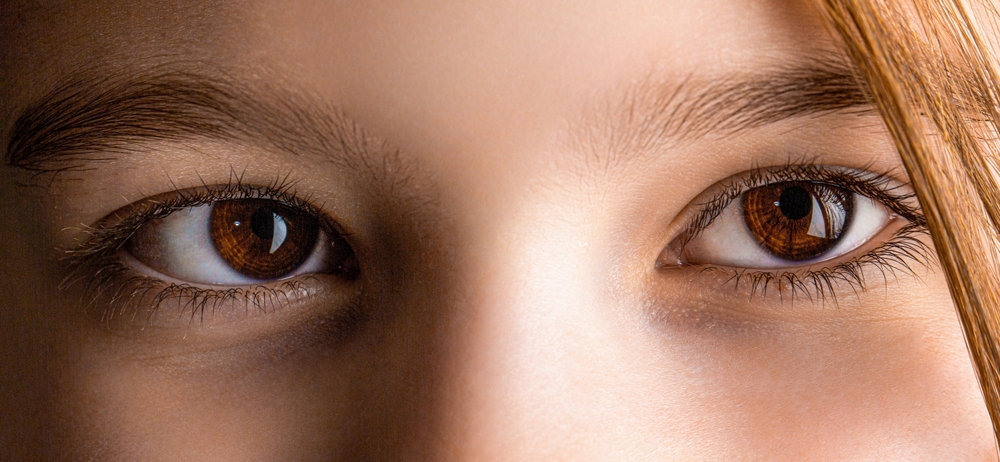
When a child struggles with reading, focus, or classroom performance, vision may not be the first thing parents consider. However, Binocular Vision Dysfunction, or BVD, can make it difficult for both eyes to work together as a team. Even when a child can see clearly on a standard eye chart, eye misalignment can affect how comfortably they process visual information.
At Chroma Optics in Burlington, VT, Dr. Sudarsky evaluates children for visual concerns that may be affecting learning, attention, and daily comfort. Identifying BVD early can help children feel more confident and capable in school.
What Is BVD in Children?
BVD occurs when the eyes are slightly misaligned, causing the brain to work harder to combine two images into one clear picture. For children, this extra effort can lead to eye strain, headaches, blurred vision, double vision, poor concentration, or avoidance of reading.
Because many BVD symptoms overlap with learning challenges, some children may be labeled as distracted or unmotivated when their visual system is actually working harder than it should. A detailed vision evaluation can help uncover the difference.
Signs Your Child May Need a BVD Evaluation
Parents and teachers may notice changes in how a child reads, studies, or behaves during visually demanding tasks. Common signs can include:
• Skipping lines or losing place while reading
• Frequent headaches after schoolwork
• Covering one eye or tilting the head
• Trouble concentrating during reading or screen time
• Complaints of blurry or double vision
• Avoiding homework or close-up tasks
• Poor reading stamina despite good effort
These symptoms do not always mean a child has BVD, but they are worth discussing with an eye care professional.
How Early Intervention Supports Learning
When BVD is diagnosed early, treatment can help reduce the visual stress that may interfere with reading and classroom performance. For some children, specialized lenses, including microprism lenses, can help the eyes work together more comfortably. This can make reading feel less tiring and improve a child’s ability to stay engaged with schoolwork.
Early intervention may also help children build better confidence. When visual discomfort is reduced, tasks that once felt frustrating can become more manageable. This can support stronger learning habits, improved attention, and a more positive school experience.
Why Choose Chroma Optics for BVD Care?
At Chroma Optics, Dr. Sudarsky provides careful evaluation for Binocular Vision Dysfunction and related visual symptoms. Our approach looks beyond basic clarity and considers how the eyes function together during reading, learning, and everyday activities.
For children who are struggling with schoolwork, reading, or frequent visual discomfort, a BVD evaluation can be an important step toward understanding what may be getting in the way.
Contact Chroma Optics to schedule a BVD evaluation for your child today. Visit our office in Burlington, Vermont, or call (802) 497-1676 to book an appointment.

All Eye
Care Services

Keep
In Touch

© 2026 Chroma Optics. All Rights Reserved. Accessibility Statement - Privacy Policy - Sitemap
Powered by
